
Introduction
In today’s fast-paced industrial landscape, productivity is paramount. Companies are constantly seeking innovative solutions to streamline operations, reduce costs, and maximize efficiency. One of the most effective ways to achieve these goals is through the use of custom steel structure workshops. These structures offer versatility, durability, and adaptability, making them ideal for a variety of manufacturing and industrial applications. This article explores the benefits of custom steel structure workshops, their design considerations, applications, and how they can significantly enhance productivity in various sectors.
Understanding Steel Structures
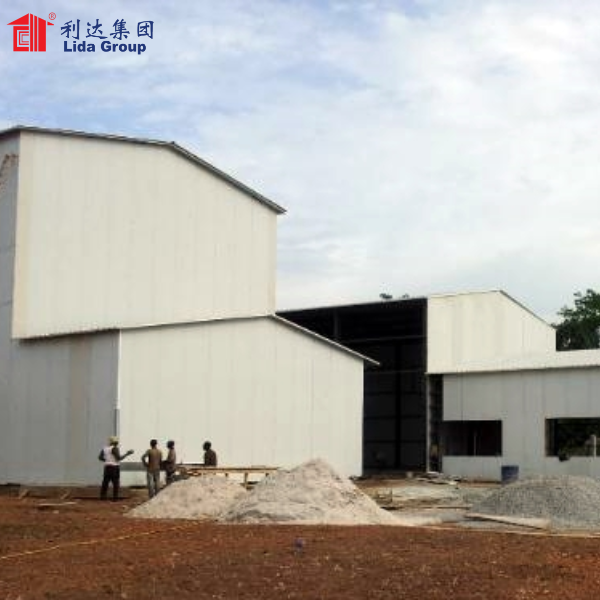
What Are Steel Structures?
Steel structures are buildings or frameworks constructed primarily from steel beams, columns, and panels. Known for their strength and durability, these structures are widely used in industrial, commercial, and residential applications. The flexibility of steel allows for a range of designs and configurations, making it suitable for custom workshops tailored to specific operational needs.
The Rise of Custom Steel Structures
The demand for custom steel structures has grown significantly in recent years, driven by several factors:
- Increased Industrial Activity: As industries expand, the need for specialized facilities has surged.
- Advancements in Technology: Innovations in steel fabrication and construction techniques have made custom steel structures more accessible and cost-effective.
- Focus on Sustainability: Steel is a recyclable material, aligning with the growing emphasis on sustainable practices in construction.
Advantages of Custom Steel Structure Workshops
1. Strength and Durability
One of the primary advantages of steel is its exceptional strength-to-weight ratio. Custom steel workshops can withstand heavy loads, harsh weather conditions, and potential seismic activity. This durability ensures that the facility remains operational for years with minimal maintenance, reducing long-term costs.
2. Design Flexibility
Custom steel structures offer unparalleled design flexibility, allowing businesses to create workshops that precisely meet their operational requirements. Features such as:
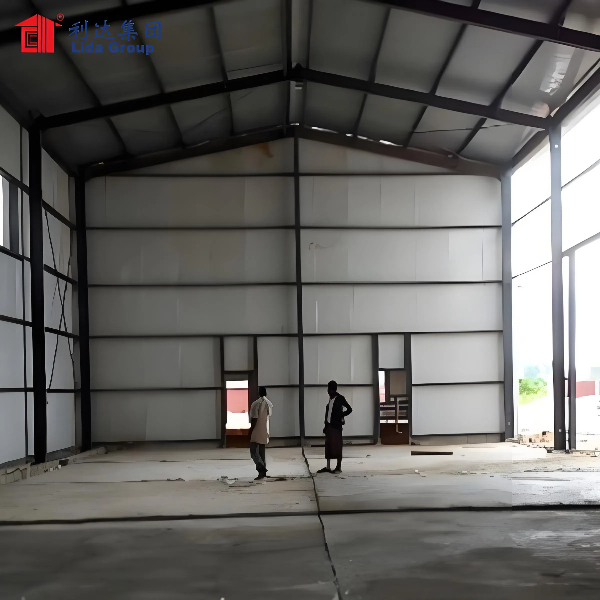
- Open Floor Plans: Steel beams can support large spans without the need for internal columns, creating open spaces ideal for various operations.
- Adaptable Configurations: Workshops can be designed to accommodate specific machinery, workflows, and processes, enhancing efficiency.
3. Speed of Construction
The prefabrication of steel components allows for rapid assembly on-site. This speed translates to shorter project timelines, enabling businesses to start operations sooner. Key points include:
- Reduced Construction Time: Prefabricated components can be manufactured in a controlled environment and quickly assembled at the site.
- Less Disruption: Faster construction minimizes disruptions to existing operations, which is crucial for companies that require continuity.
4. Cost-Effectiveness
While the initial investment in custom steel structures may be higher than traditional building materials, the long-term savings are significant. Factors contributing to cost-effectiveness include:
- Lower Maintenance Costs: Steel’s durability means fewer repairs and replacements over time.
- Energy Efficiency: Steel workshops can be designed with energy-efficient systems, reducing operational costs.
5. Sustainability
Sustainability is a critical concern for modern businesses. Steel structures can contribute to eco-friendly practices by:
- Recyclability: Steel is 100% recyclable, reducing waste and environmental impact.
- Energy Efficiency: Custom designs can incorporate features such as natural lighting and ventilation, further enhancing sustainability.
Design Considerations for Custom Steel Workshops
1. Purpose and Functionality
Before designing a custom steel workshop, it’s essential to define its purpose. Considerations include:
- Type of Work: Identify the specific activities that will take place in the workshop, such as assembly, manufacturing, or storage.
- Equipment Requirements: Determine the machinery and tools needed, as this will influence the layout and design.
2. Space Planning
Effective space planning is crucial for maximizing productivity. Key factors to consider include:
- Workflow: Design the layout to facilitate smooth operations, minimizing unnecessary movement and bottlenecks.
- Storage Solutions: Incorporate adequate storage for materials and finished products to keep the workspace organized.
3. Environmental Conditions
Custom steel workshops should be designed to withstand local environmental conditions. Considerations include:
- Climate: Factor in temperature, humidity, and weather patterns when designing insulation and ventilation systems.
- Natural Disasters: In areas prone to earthquakes or high winds, ensure that the structure meets safety regulations.
4. Compliance and Regulations
Ensuring that the design complies with local building codes and regulations is crucial. Key steps include:
- Permitting: Obtain the necessary permits before construction begins.
- Safety Standards: Adhere to safety regulations to protect workers and minimize liability.
Applications of Custom Steel Structure Workshops
1. Manufacturing Facilities
Custom steel workshops are particularly well-suited for manufacturing operations. Their design flexibility allows for:
- Assembly Lines: Create efficient assembly line layouts that enhance productivity.
- Heavy Machinery Accommodation: Steel structures can support the weight and vibration of heavy machinery, ensuring stability.
2. Automotive Industry
In the automotive sector, custom steel workshops can serve various functions, including:
- Repair and Maintenance: Design workshops with specialized bays for vehicle repair and maintenance.
- Production Facilities: Create spaces for assembly and manufacturing of automotive components.
3. Warehousing and Distribution
Custom steel workshops can also function as warehousing and distribution centers, providing:
- Storage Solutions: Ample space for inventory storage and organization.
- Loading Docks: Incorporate loading docks for efficient transportation and logistics operations.
4. Research and Development
In research and development environments, custom steel workshops can provide:
- Laboratory Spaces: Design specialized areas for experiments and product testing.
- Collaboration Zones: Create open spaces that encourage teamwork and innovation.
Enhancing Productivity with Custom Steel Structure Workshops
1. Workflow Optimization
Custom steel structures allow for tailored layouts that enhance workflow. By designing spaces that minimize movement and streamline processes, businesses can significantly improve productivity. Strategies include:
- Zoning: Divide the workshop into specific zones for different tasks, such as assembly, storage, and quality control.
- Ergonomic Design: Consider ergonomics in workstation design to reduce fatigue and enhance worker efficiency.
2. Integration of Technology
Incorporating technology into custom steel workshops can further enhance productivity. Key technologies include:
- Automation: Use automated systems for material handling, assembly, and inventory management.
- Smart Sensors: Implement smart sensors for monitoring temperature, humidity, and equipment status, optimizing operational efficiency.
3. Employee Training and Engagement
A well-designed workshop coupled with effective training programs can boost employee engagement and productivity. Considerations include:
- Training Programs: Invest in training for employees to ensure they are proficient in using equipment and following safety protocols.
- Feedback Mechanisms: Establish channels for employee feedback to continuously improve workflows and processes.
4. Maintenance and Upkeep
Regular maintenance of steel structures is essential for ensuring long-term productivity. Implementing a maintenance schedule can prevent costly downtime and repairs. Key practices include:
- Routine Inspections: Conduct regular inspections to identify and address potential issues before they escalate.
- Preventive Maintenance: Implement a preventive maintenance program to keep equipment and structures in optimal condition.
Case Studies: Successful Custom Steel Structure Workshops
1. ABC Manufacturing Plant
ABC Manufacturing recently constructed a custom steel workshop to enhance its production capabilities. Key features of the project included:
- Open Floor Plan: The design allowed for an expansive assembly line, improving workflow.
- Energy-Efficient Systems: The workshop was equipped with energy-efficient lighting and HVAC systems, reducing operational costs.
2. XYZ Automotive Repair Facility
XYZ Automotive built a custom steel workshop to accommodate its growing repair services. The project highlights included:
- Specialized Work Bays: Each bay was designed for specific types of repairs, enhancing efficiency.
- Advanced Equipment: The facility incorporated state-of-the-art equipment, allowing for faster turnaround times.
3. DEF Research and Development Center
DEF Corporation invested in a custom steel workshop for its R&D efforts. The project focused on:
- Flexible Laboratory Spaces: The design allowed for easy reconfiguration of lab spaces as projects evolved.
- Collaborative Areas: Open spaces were created to foster collaboration among teams, driving innovation.
Challenges in Custom Steel Structure Construction
1. Cost Management
While custom steel structures offer long-term savings, managing initial costs can be challenging. Strategies to mitigate this include:
- Budget Planning: Develop a detailed budget during the planning phase to avoid unexpected expenses.
- Value Engineering: Explore options for cost-effective materials and designs without compromising quality.
2. Skilled Labor Shortage
The construction industry faces a shortage of skilled labor, which can impact the quality and timeliness of projects. Solutions include:
- Training Programs: Invest in training programs to develop a skilled workforce.
- Collaboration with Educational Institutions: Partner with local schools and colleges to create apprenticeship programs.
3. Supply Chain Disruptions
Supply chain disruptions can delay projects and increase costs. Strategies to manage this risk include:
- Diversifying Suppliers: Work with multiple suppliers to reduce reliance on a single source.
- Inventory Management: Maintain adequate inventory levels of critical materials to prevent delays.
The Future of Custom Steel Structure Workshops
1. Technological Advancements
The future of custom steel structure workshops will be shaped by technological advancements, including:
- 3D Printing: Innovations in 3D printing may revolutionize the way components are manufactured, allowing for more intricate designs and faster production.
- Smart Building Technologies: The integration of smart technologies will enhance operational efficiency and sustainability in workshops.
2. Sustainable Practices
As sustainability continues to gain importance, custom steel workshops will increasingly incorporate eco-friendly practices, such as:
- Carbon-Neutral Designs: Future workshops may aim for carbon neutrality through energy-efficient designs and renewable energy integration.
- Waste Reduction: Implementing strategies to minimize waste during construction will be a priority.
3. Global Expansion
As industries continue to grow globally, the demand for custom steel structures will increase. Companies will need to adapt to regional markets and regulations, ensuring that their designs meet local needs.
Conclusion
Custom steel structure workshops represent a significant advancement in enhancing productivity across various industries. With their inherent strengths—durability, design flexibility, rapid construction, and sustainability—these workshops provide the ideal environment for modern manufacturing and industrial operations. As technology continues to evolve and the demand for sustainable practices grows, the role of custom steel structures will only become more critical. By investing in these innovative solutions, businesses can position themselves for success in an increasingly competitive landscape, ultimately driving growth and efficiency in their operations. The future of productivity lies in the hands of those who embrace the potential of custom steel structure workshops.
Contact Us
Post time: Dec-05-2024