
Introduction
In the contemporary construction landscape, steel structure buildings have gained immense popularity due to their strength, durability, and versatility. Among the companies leading this charge is Lida Group, known for its innovative approach to steel construction. This article explores the myriad benefits of choosing steel structure buildings from Lida Group, highlighting their applications, design flexibility, sustainability, cost-effectiveness, and overall impact on various industries.
Understanding Steel Structure Buildings
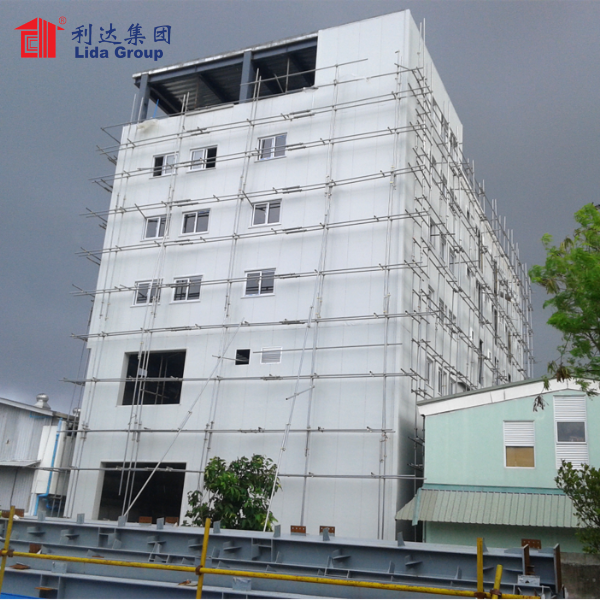
What Are Steel Structure Buildings?
Steel structure buildings are constructed primarily from steel components, including beams, columns, and panels. These structures are designed to support a variety of loads and can be adapted to suit different purposes, from industrial warehouses to commercial centers and residential buildings. The strength-to-weight ratio of steel makes it an ideal material for constructing robust buildings that can withstand various environmental stresses.
The Rise of Steel Structures in Construction
The shift towards steel structures in construction has been influenced by several factors:
- Economic Growth: As economies expand, the demand for robust infrastructure increases, leading to a rise in steel construction.
- Technological Advancements: Innovations in steel manufacturing and construction techniques have enhanced the feasibility and attractiveness of steel structures.
- Sustainability Concerns: The construction industry is increasingly focusing on sustainable practices, and steel is a highly recyclable material.
Advantages of Steel Structure Buildings from Lida Group
1. Superior Strength and Durability
One of the primary reasons for choosing steel structure buildings from Lida Group is their exceptional strength and durability:
- Load-Bearing Capacity: Steel structures can support heavy loads, making them suitable for industrial applications that require large machinery and equipment.
- Resistance to Environmental Factors: Steel is inherently resistant to many environmental challenges, including high winds, earthquakes, and fire, ensuring longevity and safety.
2. Design Flexibility and Customization
Lida Group provides a wide range of design options for steel structure buildings, allowing for customization based on client needs:
- Modular Designs: Steel structures can be built in modular sections, enabling easy expansion and reconfiguration as requirements change.
- Architectural Variety: Lida Group offers various designs and finishes, allowing clients to create buildings that align with their branding and functional needs.
3. Rapid Construction Process
The efficiency of Lida Group’s steel structure construction can significantly reduce project timelines:
- Prefabrication: Many components are prefabricated off-site, allowing for quicker assembly on-site. This approach minimizes construction delays and reduces labor costs.
- Streamlined Workflow: The use of standardized components simplifies the construction process, allowing for faster project completion without sacrificing quality.
4. Cost-Effectiveness
While the initial investment in steel structures may be higher than traditional materials, the long-term savings are substantial:
- Lower Maintenance Costs: Steel structures require less maintenance compared to wood or concrete, contributing to reduced operational costs over time.
- Energy Efficiency: The design of steel buildings can incorporate energy-efficient systems, leading to lower utility bills and operational expenses.
5. Sustainability and Environmental Benefits
Lida Group is committed to sustainable practices, and steel structures align with these goals:
- Recyclability: Steel is 100% recyclable, reducing waste and contributing to a circular economy. Lida Group’s practices emphasize the use of recycled materials in their construction processes.
- Reduced Carbon Footprint: By utilizing steel, which can be sourced responsibly, Lida Group helps lower the overall carbon footprint of construction projects.
.jpg)
Applications of Steel Structure Buildings
1. Industrial Buildings
Steel structure buildings are particularly well-suited for industrial applications, including:
- Warehouses: Steel warehouses offer ample storage space and can accommodate heavy equipment and machinery.
- Manufacturing Facilities: The open layout of steel buildings allows for efficient workflows and easy access to machinery.
2. Commercial Buildings
In the commercial sector, Lida Group’s steel structures provide:
- Retail Spaces: Steel buildings can be designed to create modern, attractive retail environments that draw customers.
- Office Buildings: The flexibility of steel structures allows for customized office layouts that promote productivity and collaboration.
3. Agricultural Structures
Steel structures are increasingly used in agriculture, providing:
- Storage Solutions: Steel barns and storage units can protect equipment and produce from the elements.
- Livestock Housing: Steel buildings can be designed to accommodate livestock, ensuring their safety and comfort.
4. Residential Buildings
The versatility of steel structures extends to residential applications, including:
- Single-Family Homes: Steel frame homes offer durability and design flexibility, appealing to modern homeowners.
- Multi-Family Units: Steel can be used to construct apartment buildings that are both stylish and functional.
The Construction Process of Steel Structure Buildings
1. Planning and Design
The construction of steel structure buildings begins with careful planning and design. Key steps include:
- Site Assessment: Evaluating the construction site to determine the best design and layout based on environmental and logistical factors.
- Architectural Design: Collaborating with architects to create a design that meets client specifications while adhering to local building codes.
2. Fabrication
Once the design is finalized, the fabrication of steel components begins:
- Precision Engineering: Steel components are fabricated in a controlled environment, ensuring precision and quality. Advanced technologies, such as CNC (Computer Numerical Control) machinery, are often utilized.
- Quality Control: Rigorous quality control measures are implemented during fabrication to ensure that each component meets strict standards.
3. Transport and Assembly
After fabrication, the components are transported to the construction site:
- Logistics Planning: Careful planning ensures that components are delivered on time and in the correct order for efficient assembly.
- On-Site Assembly: Skilled workers assemble the steel structure on-site, using cranes and other equipment to lift and position components.
4. Finishing Touches
Once the structure is assembled, finishing touches are applied:
- Insulation and Cladding: Appropriate insulation and exterior cladding are installed to enhance energy efficiency and aesthetics.
- Interior Layout: Interior walls, flooring, and utilities are completed based on the design specifications.
Safety Considerations in Steel Structure Construction
1. Compliance with Regulations
Safety is paramount in the construction of steel structures. Lida Group ensures compliance with all relevant building codes and regulations:
- Regular Inspections: Ongoing inspections during construction help identify and address potential safety issues.
- Documentation: Maintaining thorough documentation of safety protocols and compliance measures is essential.
2. Worker Safety
Lida Group prioritizes the safety of its workers throughout the construction process:
- Training Programs: Providing comprehensive training for workers on safety practices and equipment handling is crucial.
- Protective Equipment: Ensuring that all workers have access to necessary protective gear, such as helmets, gloves, and safety harnesses.
3. Risk Management
Identifying and mitigating risks is a vital aspect of construction safety:
- Safety Audits: Conducting regular safety audits to evaluate potential hazards and implement corrective measures.
- Emergency Preparedness: Establishing emergency response plans to ensure the safety of workers in case of accidents or unforeseen events.
Future Trends in Steel Structure Construction
1. Innovative Materials
The construction industry is witnessing the emergence of new materials that complement steel:
- Advanced Coatings: New coatings can enhance the durability and corrosion resistance of steel structures, extending their lifespan.
- Hybrid Structures: Combining steel with other materials, such as timber or concrete, can optimize performance and aesthetics.
2. Smart Building Technologies
The integration of smart technologies is transforming the way buildings are designed and operated:
- IoT Integration: Incorporating IoT devices can enhance energy management, security, and maintenance in steel structures.
- Building Management Systems: Advanced systems can optimize energy use and improve overall building performance.
3. Emphasis on Sustainability
Sustainability will continue to drive trends in steel structure construction:
- Circular Economy Practices: Increasing focus on recycling and reusing materials will shape future construction practices.
- Energy-Positive Buildings: The design of buildings that generate more energy than they consume will become increasingly common.
Conclusion
Choosing steel structure buildings from Lida Group offers numerous benefits, including superior strength, design flexibility, rapid construction, cost-effectiveness, and sustainability. As industries evolve and the demand for resilient, efficient buildings grows, Lida Group remains at the forefront of steel construction innovation. By leveraging advanced materials, embracing smart technologies, and prioritizing safety and sustainability, Lida Group is shaping the future of construction, providing clients with high-quality steel structures that meet the challenges of today and tomorrow.
In an era where adaptability and resilience are paramount, Lida Group’s commitment to excellence in steel structure buildings positions it as a leader in the industry, ensuring that clients receive not only exceptional constructions but also long-lasting value and performance.
Contact Us
Post time: Dec-06-2024